For operational leaders, the challenges of managing a mobile or a shift-based workforce are immense. Juggling varied work schedules, night shifts, and demanding client contracts can feel like a constant battle against the clock. The unseen consequence of this high-pressure environment is the risk of fatigue among employees. Effective fatigue management is therefore essential to business success and is not merely an HR issue.
It is a strategic component of workforce management that protects both your employees and your bottom line. This article will look into the causes and effects of fatigue, highlighting practical strategies that reduce fatigue and demonstrate how modern technology can assist.

The High Cost of Fatigue in Shift-Based Teams
A key question for any operations manager is: what exactly are the effects of fatigue on my team and the business?
What is Fatigue?
Fatigue is a state of physical and mental exhaustion that can compromise an individual’s ability to function effectively. It’s feeling sleepy at work, but it is also a profound lack of energy that reduces a person’s ability to perform tasks and make sound judgements.
In a work context, it is a significant factor that can compromise efficiency and safety. It’s a complex condition that includes both physiological aspects, like physical tiredness from long hours or strenuous activity, and psychological elements, such as mental burnout from sustained focus or stress.
The Risks of Ignoring Fatigue
Ignoring fatigue in a shift work environment carries a significant risk for both employees and the business. On a personal level, it can lead to health issues, stress, and burnout. This can cause a higher employee turnover rate and reduced job satisfaction.
For the business, fatigue in the workplace leads to decreased productivity, increased errors, and a decline in service quality. It can also contribute to excessive overtime, which drives up costs and can lead to financial penalties if it goes against labour laws. In fact, unaddressed mental health conditions, which include burnout and fatigue, are estimated to cost the South African economy up to R161 billion per year.
These issues are particularly dangerous in high-stakes industries like security. For example, a security officer on a night shift who is experiencing fatigue might be slow to react to an intruder alarm or might even fall asleep on duty. These consequences pose a high risk to the business, its employees, and its clients.
What Causes Fatigue in Shift-Based Teams?
Mitigating fatigue starts with understanding its root causes. The primary factor contributing to fatigue is the nature of shift work itself. The human body operates on a natural sleep-wake cycle, known as the circadian rhythm. When employees work night shifts, irregular schedules, or long hours, this rhythm is disrupted, which directly leads to fatigue.
Other factors, such as insufficient rest periods and poor sleep quality, can also increase fatigue levels. When these are combined with physically demanding tasks or high-stress environments, the risk of fatigue becomes even greater.
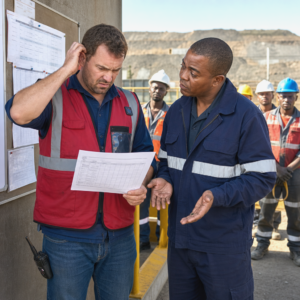
Knowing the causes is only part of the solution; you also need to know how to identify fatigue in your teams before it becomes a problem. The most effective way to identify this is through constant communication and supervision. Look out for the following four signs:
- Decline in Performance: This may include increased errors and a slower reaction time.
- Poor Concentration: Staff may show an inability to focus on tasks.
- Mood Changes: Noticeable irritability, low morale, and a lack of motivation are key indicators.
- Physical Signs: Frequent yawning, dozing, and a generally tired appearance are all red flags.

Effective Fatigue Management Strategies That Work
Mitigating the risk of fatigue involves implementing a comprehensive strategy that addresses the issue from multiple angles, including:
Implement Smart Scheduling
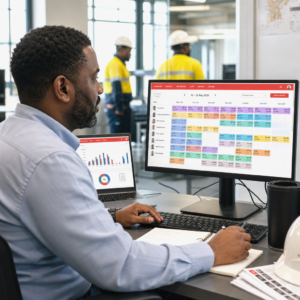
One of the most effective strategies is the implementation of smart scheduling. Work schedules that are unpredictable or irregular can disrupt an employee’s natural sleep-wake cycle, which can be difficult to manage.
A modern scheduling solution uses data and algorithms to create fair and predictable schedules. This approach ensures appropriate rest periods between work shifts and avoids back-to-back shifts that can contribute to fatigue. By optimising schedules, you reduce the likelihood of employees becoming overtired and increase their overall productivity.
Provide Education and Training
Education is a powerful tool in fatigue management. It is vital that both team members and managers understand the signs, symptoms, and dangers of fatigue. Providing training helps to create a culture where employees feel comfortable reporting high fatigue levels without fear of reprisal.
Training must include:
- How to Prioritise Sleep: Encourage team members to prioritise their hours of sleep. Remind them that consistent sleep is the most crucial factor in maintaining optimal energy levels and alertness. You can also provide resources on improving sleep hygiene, such as avoiding screens before bed and creating a dark, quiet sleep environment.
- How to Take Strategic Breaks: Explain the benefits of strategically timed breaks. A brief 15 to 20-minute break can significantly improve alertness and reduce the effects of fatigue. Regular breaks throughout a long work shift can also help to combat mental and physical exhaustion.
Encourage Healthy Lifestyle Choices
Encourage healthy living as a way to combat fatigue. Proper hydration and nutrition play a key role in maintaining energy levels. Suggest that employees consume balanced meals and stay hydrated, especially during night shifts. Regular physical activity can also help improve an employee’s sleep quality, which directly combats fatigue.
Optimise the Work Environment
The physical work environment can also contribute to fatigue. Ensure that workspaces are well-lit and well-ventilated, particularly for employees on night shifts. Bright lighting can help suppress melatonin production and keep employees alert. Providing access to comfortable and quiet designated rest periods or areas can also help team members recharge during breaks and reduce their overall fatigue levels.
How Technology Powers Smart Fatigue Management
Workforce management software helps automate the complex process of creating fair and optimal work schedules that prioritise employee well-being. Instead of relying on manual spreadsheets, these systems use data-driven insights to build intelligent shift patterns. They are designed to automatically enforce strict business rules, ensuring compliance with labour laws and safety standards.
For example, the software can prevent consecutive night shifts and automatically ensure sufficient rest periods between each work shift, which directly combats fatigue. By doing this, the technology helps businesses achieve better control over their operations and staffing.
The Path to a Productive Workforce
Effective fatigue management requires a combination of strategic planning and individual action. By implementing smart scheduling, providing education, and optimising the work environment, you can significantly reduce the risk of fatigue within your teams.
Technology acts as a powerful tool in this process, helping you automate complex rostering and ensure compliance with labour laws and safety standards.Take control of your operations and protect your most valuable asset: your people. Book a customised demo today to see how a dedicated workforce management solution can solve your unique scheduling challenges.