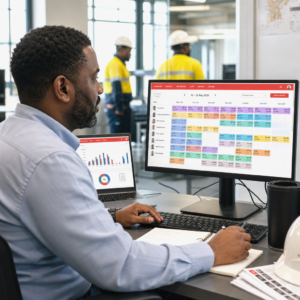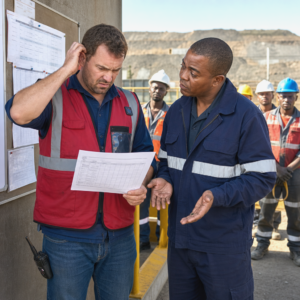
A fatigue-related concern rarely starts at the point where somebody is already struggling to stay alert on shift. More often, the warning signs were present days or weeks earlier: a roster changed late, an absence covered by the nearest available person, overtime treated as the simplest solution, or a contractor team deployed without a clear view of recent working patterns.
Mining operations run under real pressure. Production targets, maintenance windows, remote sites, contractor dependencies and shortages of suitably experienced people all place strain on the workforce plan. The result is that roster decisions can become a daily exercise in filling gaps.
That approach creates risk because fatigue is seldom caused by a single poor decision. It builds through a sequence of working hours, travel demands, disrupted rest, shift changes and unplanned extensions.
A roster is part of the operating plan
Mine managers and HSE teams understand that fatigue needs active management. Yet the workforce information needed to spot pressure points is often scattered across rosters, attendance records, supervisor notes, contractor lists and payroll processes.
When those records sit apart, a planner may see an open shift but not the full context around the person being asked to fill it. A supervisor may know that a team has been working long hours, whilst payroll data may only reveal the pattern after the period has closed. The operation then reacts after the roster has already created a difficult position.
A workforce roster should give management a practical view of who is planned to work, where they are deployed, which skills are required and where cover is becoming thin. It should also make it easier to review repeated overtime, compressed rest periods, last-minute shift swaps and over-reliance on a small group of experienced employees.
The point is not to turn a roster into a safety system on its own. It is to treat it as a meaningful input into workforce and operational decisions.

Where fatigue pressure often develops
The most obvious warning sign is extended working time, but the pattern is usually more complicated.
A processing plant may need specialist maintenance work completed during a short shutdown window. The same technicians may be called on repeatedly because they know the equipment and are trusted to complete the work. At a remote site, travel arrangements can reduce the practical recovery time between shifts. An absenteeism spike may lead supervisors to use overtime for several days while replacements are arranged.
Each decision may appear reasonable in isolation. Taken together, they can leave an operation with little margin.
Contractor workforces add another layer. A mine may have visibility of its own employees while having limited day-to-day insight into the shifts worked by contractor teams supporting security, maintenance, cleaning, transport or specialist services. If deployment information is incomplete, managers cannot easily see where workforce pressure is accumulating across the site.
This is why fatigue management needs to be considered during roster planning, rather than being treated only as a matter for an incident review or a toolbox talk.
Better planning starts with better visibility
A useful workforce-management process helps planning teams see the practical consequences of roster choices before they are locked in.
That includes being able to review planned deployment by site, role, team and shift, then compare that plan with attendance information as the work takes place. It also means making exceptions visible: unfilled positions, late arrivals, unexpected absences, repeated overtime and roster changes that require supervisory attention.
For a workforce planning manager, this creates a better basis for asking practical questions:
- Which shifts depend on the same people week after week?
- Where are skills concentrated in too few individuals?
- Which sites are relying on recurring overtime to maintain coverage?
- Are last-minute changes becoming routine rather than exceptional?
- Do contractor deployment plans create additional pressure on site supervision?
These questions do not replace professional judgement. They give managers the information needed to apply that judgement earlier.
Attendance data must support action, not reconciliation
Many operations still spend too much time reconciling what was planned with what actually happened. Attendance records, manual changes and payroll-related information may be reviewed mainly at the end of a pay cycle, when there is limited opportunity to change the underlying pattern.
A connected approach to rostering and time and attendance can help reduce that delay. It can give authorised teams a clearer view of planned and actual workforce deployment, making it easier to investigate discrepancies while they are still operationally relevant.
Accurate workforce data also supports fairer and more defensible decisions. If an employee is repeatedly asked to cover an open shift, managers should be able to see the wider pattern rather than relying on informal knowledge or whoever happens to answer the phone.
For dispersed workforces, mobile access and workforce communications can support this process by helping employees and supervisors receive roster updates and communicate changes through an agreed channel. The value lies in reducing confusion when plans change, particularly where people are moving between sites or working outside normal office hours.
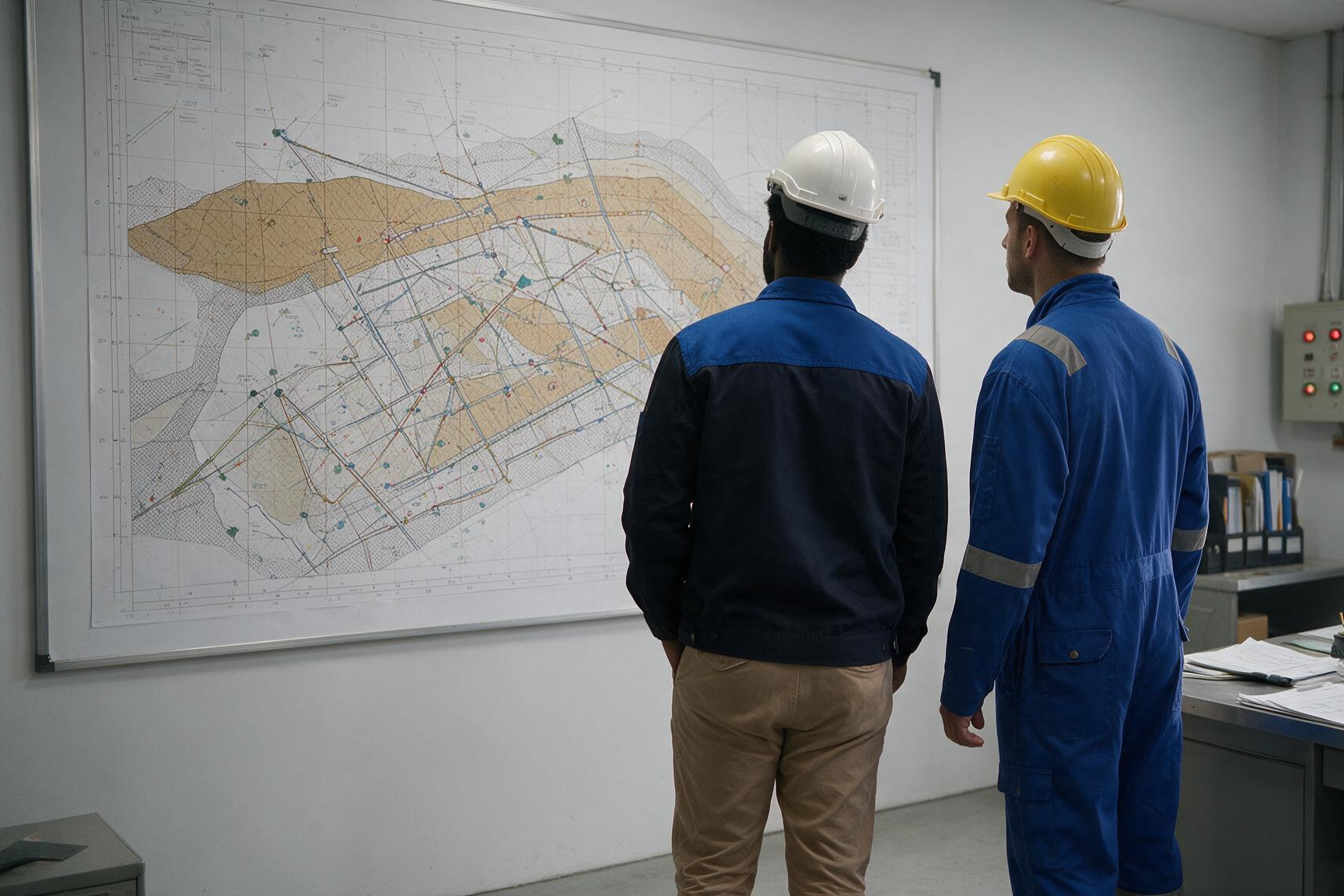
Fatigue risk is also a resilience issue
A roster that only works when every person arrives as planned is not a resilient roster.
Mining operations need workable alternatives when absence, equipment failure, weather, transport disruption or contractor changes affect the shift plan. That requires clear information about available people, relevant skills, site requirements and the operational implications of moving somebody from one role or location to another.
Workforce-management systems such as EasyRoster can support this discipline by bringing rostering, time and attendance, workforce communications and payroll-related data into a connected workforce-management environment. For multi-site mining operations and contractors, this can give planning and operational teams a clearer view of workforce deployment and the changes that need attention.
The aim is not to remove human decision-making from a demanding operating environment. It is to make those decisions with a better view of the workforce consequences.
Build fatigue considerations into normal roster practice
Managing fatigue risk requires leadership, supervisor judgement and appropriate site processes. Rosters cannot carry that responsibility alone.
They do, however, shape the daily conditions in which people work. A workforce plan that makes pressure visible, highlights repeated exceptions and gives managers time to act is more useful than one that simply allocates names to shifts.
For mining leaders, the practical question is whether the current roster process reveals emerging strain early enough to do something about it.
See workforce pressure before it becomes operational pressure
EasyRoster can help mining organisations bring roster planning, attendance information, workforce communication and multi-site deployment into a more connected view of the workforce.