A mining operation can have a perfectly planned roster and still have a bad shift.
The schedule may be accurate when it leaves the planning office. By the time it reaches supervisors, contractors and crews across a large site, however, a shift may have changed, a person may be absent, transport arrangements may have moved, or a supervisor may be working from an outdated version of the plan.
This is why mobile workforce management is gaining ground in mining. The value is practical. It gives people closer to the work access to the same current information that sits in the workforce planning system.
For mining companies managing remote sites, multiple shifts and a mix of permanent employees and contractors, that visibility is becoming difficult to ignore.
The real problem is often communication, not scheduling
Mining workforce planning has always been complex. Operations need to manage:
- rotating shift patterns;
- different grades, skills and certifications;
- remote sites and long travel distances;
- contractor and employee workforces;
- fatigue, overtime and leave;
- changes caused by production requirements, weather, equipment availability or absenteeism.
Most mining businesses already understand the importance of creating a workable roster. The problem begins when information is distributed through disconnected communication channels.
A planner updates a roster in one system. A supervisor receives a spreadsheet. Employees hear about the change through a WhatsApp group, a phone call or a noticeboard. Somebody misses the message. By the next shift, the site is dealing with a preventable absence, a double booking or an argument over what was communicated.
Mobile access reduces the number of handovers between the approved roster and the person expected to work it.
Mining teams work away from desks
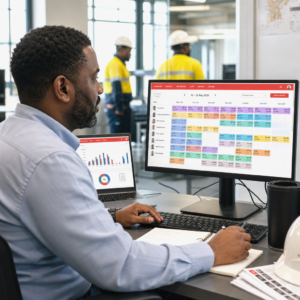
Desktop workforce systems remain essential for planners, HR teams and operations managers. They are where complex rosters are built, checked and approved.
But supervisors and frontline workers do not spend their day at a desk.
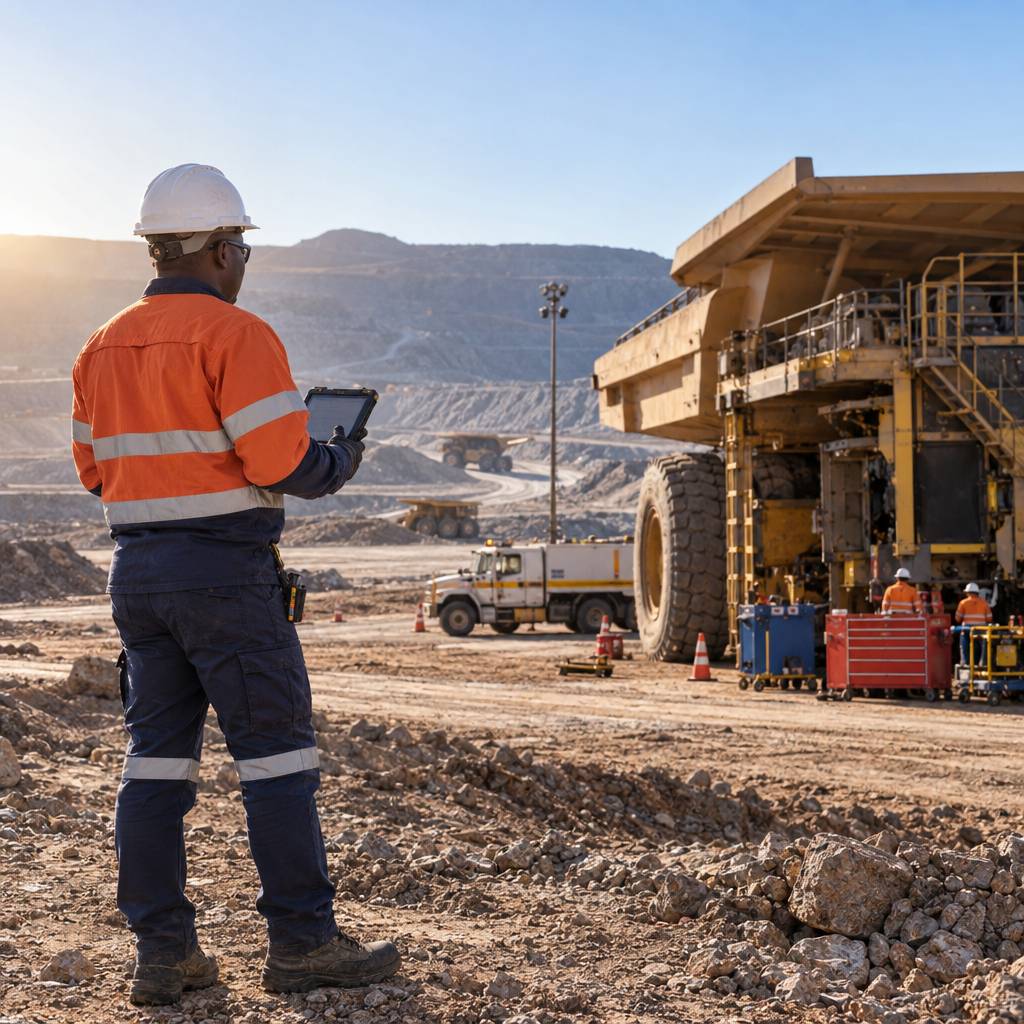
They are on the pit, at the plant, underground, in accommodation areas, travelling between locations or managing teams in the field. A workforce management process that depends on everyone returning to an office terminal creates delay at exactly the point where operations need speed and clarity.
A mobile workforce management app can give authorised users access to information such as:
- upcoming shifts and site assignments;
- roster changes;
- notifications from supervisors or operations;
- attendance status and exceptions;
- employee contact and workforce information;
- shift-related updates that need acknowledgement.
The goal is to make the information needed during the working day available whan and where the work happens.
Faster roster communication improves day-to-day control
A roster is only useful when people know what is expected of them.
In a mining environment, late communication can have consequences beyond inconvenience. A missing operator, an unfilled support role or a supervisor working from an old shift plan can affect production, transport, safety coordination and overtime costs.
Mobile workforce management allows roster updates to be communicated directly to the people affected. Instead of relying on a chain of calls and messages, the organisation has a clearer route from a changed plan to the employee or supervisor who needs to act on it.
This also gives employees a better experience. People can check their allocated shifts without chasing a supervisor or waiting for a printed roster to be updated. When questions arise, there is a common reference point rather than several conflicting versions of the schedule.
For an operation managing thousands of shifts each month, these small reductions in friction add up.
Supervisors need current information, not another report
Supervisors are often expected to solve workforce issues in real time while managing production demands and people on the ground.
They need to know who is expected on shift, who has arrived, where gaps exist, and whether the people allocated have the required skills or permissions for the work. They do not need another report that was accurate when it was emailed yesterday.
Mobile access supports a more immediate way of working. A supervisor can review the current roster, respond to exceptions and communicate changes while remaining close to the team.
This does not remove the need for proper planning or approvals. It makes the approved plan more usable in the field.
Workforce engagement is part of operational performance
Mining companies rightly focus on production, safety and cost. Workforce engagement can sound softer, but it affects each of those areas.
Employees become frustrated when rosters are unclear, pay queries take too long to resolve, shift changes arrive late, or they feel that nobody has a reliable view of their working time. These frustrations are often treated as ordinary workforce noise. They are usually symptoms of weak information flow.
Giving employees mobile access to their shifts and relevant workforce updates helps create transparency. People can see what they are scheduled to work and raise questions earlier, before a payroll dispute or missed shift becomes an operational problem.
The technology alone will not create trust. Consistent processes and responsive supervisors still matter. But a mobile tool gives the organisation a more credible way to keep its people informed.
Offline capability matters on mining sites
Mobile workforce management in mining must work in real site conditions.
Coverage can be inconsistent. Underground areas, remote camps and large open-pit operations may have connectivity limitations. A mobile solution that only works with a strong, continuous data connection will disappoint users quickly.
Mining organisations should therefore assess how a mobile workforce application manages offline use, data synchronisation and secure access. The practical question is straightforward: can supervisors and employees still access the information they need when network conditions are poor?
EasyRoster Mobile is designed to support field-based workforce operations, including offline capability for situations where connectivity is limited. This is especially relevant where the workforce is spread across remote locations and staff cannot depend on stable access throughout a shift.
Mobile adoption should start with the problems people already feel
A mobile app should not be introduced because it looks modern in a product demonstration.
Start with the operational pain points that teams already experience:
- How are roster changes communicated today?
- How long does it take for a supervisor to confirm who is due on shift?
- How many calls, messages and manual checks are needed to resolve a missing employee or disputed shift?
- Where do employees go when they need to confirm their schedule?
- Which workforce processes become difficult when supervisors are away from a desk?
The answers will usually point to a sensible first use case. For one mine, it may be employee self-service for viewing rosters. For another, it may be shift notifications for supervisors. A larger operation may begin with attendance visibility at selected sites before extending use across the workforce.
A focused rollout is more likely to gain trust than a broad launch with no clear operating model behind it.
What mining organisations should look for
The right mobile workforce management solution should fit into the wider workforce process. It needs to work with rostering, attendance, personnel data and payroll processes rather than becoming another isolated application.
When assessing options, mining organisations should consider:
- Roster visibility: Can employees and supervisors see accurate, current shift allocations?
- Timely notifications: Can the business communicate changes directly to the right people?
- Attendance support: Can actual attendance and exceptions be captured or viewed in a way that supports operational control?
- Skills and workforce data: Can planners and supervisors work with the information needed to allocate suitable people to each role?
- Offline use: Does the application remain useful where connectivity is poor?
- Security and privacy: Is access controlled appropriately for employee and operational information?
- Integration: Does the mobile application connect cleanly to the main workforce management system and existing time-and-attendance arrangements?
The mobile application should strengthen the core workforce process. If it creates duplicate data entry or separate versions of the roster, it will add work rather than remove it.
From roster planning to workforce visibility
Mining companies are under pressure to run leaner operations without losing control of a workforce that is often dispersed, shift-based and difficult to coordinate.
Mobile workforce management will not solve every staffing problem. It will not make skilled people available when the operation has a shortage, and it cannot replace capable supervisors. What it can do is remove avoidable uncertainty around who is working, where they are expected to be and what has changed.
That is a meaningful improvement.
EasyRoster brings rostering, attendance, personnel information and workforce reporting into one workforce management environment. Its mobile application extends relevant workforce information to supervisors and employees in the field, helping operations communicate more clearly and act on current information.
For mining organisations, the move to mobile is becoming less about technology for its own sake. It is about making the workforce plan visible and usable to the people responsible for delivering it.
Want to see how EasyRoster can support workforce planning and mobile communication for your mining operation? Book a demo.
FAQ
What is mobile workforce management in mining?
Mobile workforce management uses mobile applications to give employees, supervisors and managers access to workforce information such as rosters, shift changes, notifications, attendance details and relevant employee information while they are away from a desk.
Why is mobile workforce management useful for mining operations?
Mining teams often work across remote, large and fast-changing sites. Mobile access helps get current roster and shift information to the people who need it, reducing delays and confusion caused by paper rosters, spreadsheets and informal messaging.
Can mobile workforce management work in remote mining areas?
It depends on the application and site infrastructure. Mining organisations should assess offline capability, synchronisation behaviour and how the app performs where network coverage is unreliable. The environmental conditions may also require rugged industrial grade devices as opposed to consumer mobile devices.
How does EasyRoster support mobile workforce management?
EasyRoster provides workforce rostering, attendance tracking, personnel data management, reporting and a mobile application. The mobile application is intended to help field-based teams remain connected to relevant workforce information, including in conditions where offline capability is needed.