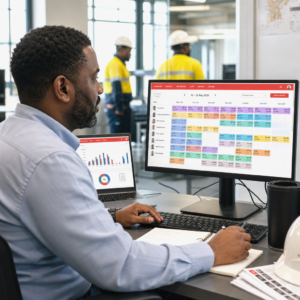
For any business, people are the most valuable asset. This is especially true for service-based companies. Understanding what truly happens with your workforce provides a clear picture of your employees’ performance and needs. This is where workforce analytics comes in.
Workforce analytics helps companies understand employee behaviour better. It shows if you need to hire more staff or work to keep the skilled people you already have. By looking at the right numbers, you can make smart changes. This ensures your team is always ready to meet demand and perform at its best.
According to Deloitte’s most recent research, 83% of 924 companies surveyed globally are at an early stage in using people data. Only a small percentage of organisations are more advanced in their use of data to understand employee behaviours. Many companies struggle to use this data effectively, but those that do see big improvements.
What is Workforce Analytics?
Workforce analytics is the use of data to provide insights into an organisation’s employees. By collecting and interpreting data on productivity, engagement, and retention, HR teams make more informed, data-driven decisions.
Workforce analytics empowers organisations and their decision-makers to measure workforce performance and see what’s working well, and what needs improvement. It moves beyond just basic HR reports. It helps employers analyse patterns in employee behaviour, understand costs related to staff, and evaluate overall team performance.For example, a company might see why some teams are more productive. They can also spot reasons behind high staff turnover. Using workforce analytics tools helps in better workforce planning. It ensures you have the right number of people with the right skills at the right time. This data-driven approach allows for proactive adjustments, helping businesses to save money and improve service delivery.

Key Workforce Metrics That Matter for Service Teams
Focusing on the right workforce analytics metrics can significantly improve service team operations. Here are 8 important metrics to collect:
- Shift Coverage: This metric ensures you have enough staff at all times, preventing understaffing or overstaffing. It’s crucial for maintaining consistent operations and service levels.
- Wage to revenue ratios: This metric enables operational managers to determine the profitability of a specific site or location by comparing the total wage costs for providing the service (including overtime costs) with the revenue directly attributed to that site or location.
- Attendance Patterns: Tracking this helps identify recurring absences or late arrivals. Spotting these patterns early allows for proactive intervention.
- Overtime: Monitoring overtime costs is vital for managing budgets. It also helps prevent employee burnout, which can lead to higher turnover.
- Talent Management: Metrics include how long it takes to fill open positions and how many employees stay with the company. These show how well you are attracting and keeping skilled team members.
- Productivity: This measures how efficiently your employees complete tasks. It directly impacts service delivery and overall business performance.
- Employee Engagement: Engaged staff are more productive and less likely to leave. Metrics can include results from employee surveys or participation in company training programmes.
- Organisational Structure: This involves looking at how different parts of your organisation work. This analysis helps ensure your teams are set up to work well together.
- Compliance: Tracking this is essential to ensure workplace management compliance. This protects both the company and its employees from potential disputes.
These HR metrics enable smarter decisions that benefit the entire team and the business.

How to Implement Workforce Analytics
Gathering workforce data is only the first step; the real value comes from putting it to use. To effectively implement workforce analytics, here are 5 simple steps.
- Determine Relevant Metrics: Identify which specific workforce analytics will help you improve operational challenges. For instance, if high overtime is an issue, focus on employee hours.
- Ensure Data Compliance: Make sure all collected data complies with POPIA (Protection of Personal Information Act). This is vital for legal adherence and maintaining workforce trust.
- Train Your Team: Train relevant personnel, particularly HR and operational managers on workplace management software and the metrics to track. This makes sure everyone understands how to extract and interpret data.
- Monitor and Review Data Regularly: Monitor the data consistently. Set up regular meetings to assess the information. This helps identify trends and allows for timely adjustments.
- Share Insights with Leadership: Share these data-driven insights and results with management or team leaders. This empowers them to take steps towards improving or maintaining key metrics.
By following these steps, you can use predictive workforce analytics to anticipate gaps, reduce turnover, and better align your resources.
Workforce Analytics Example
A medium-sized security company with various commercial properties in Gauteng had frequent issues with too much overtime and not enough guards for shifts.
The company decided to invest in a workforce management system that tracks employee shifts. They looked at key metrics like:
- Absenteeism: The system showed exactly when and where guards were often absent or late. This helped them see that certain retail centres didn’t have enough staff during peak hours.
- Overtime: They found that certain guards were working too many extra hours. This showed their current shift schedule wasn’t working well.
- Staff Turnover: They noticed more guards leaving certain sites due to demanding shifts. This helped them provide extra support to managers at those sites.
- Per-site Profitability: They were able to easily measure and report the direct wage costs with the revenue for each of the sites where security guards were deployed. This benchmarking helped identify those sites that were not profitable as well as those sites where the rosters could be improved.
With this new information, the company was able to make the right changes. They created better schedules to match when guards were actually needed. They spread out work more fairly, so fewer guards had to work long overtime hours. They also invested in manager training to improve overall company culture and happiness.
Conclusion
Workforce analytics is a vital tool for the service industry. By understanding key metrics, companies can gain powerful insights into their most valuable asset: their people.
Moving from guesswork to data-driven decisions ensures fairness, improves efficiency, and contributes to long-term success. Embrace the benefits of workforce analytics to improve your workforce.
Download Our Workforce Management White Paper
Understanding workforce analytics is vital for any service business looking to thrive. Don’t let valuable data go to waste. Powerful workforce management software can transform how you manage your team, reduce costs, and boost overall performance.
Ready to dive deeper into optimising your workforce with the right data? Download EasyRoster’s detailed Workforce Management Software White Paper today and unlock your team’s full potential.