Electra Mining Africa may be over. The workforce conversation continues.
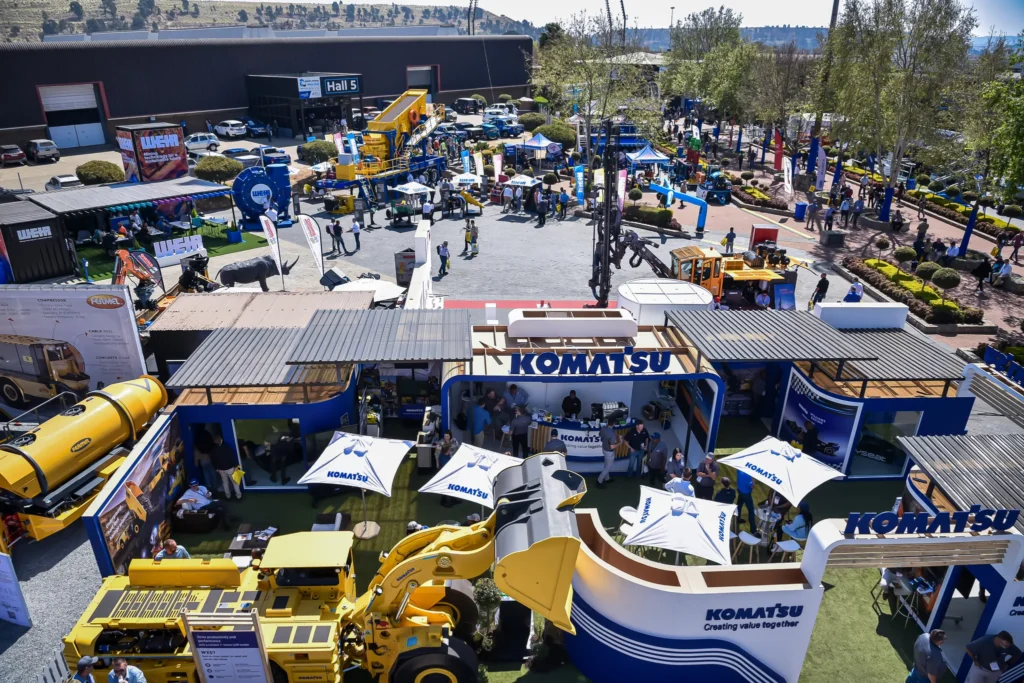
Electra Mining Africa brought together the people and technologies that keep mines, plants, contractors and industrial sites moving. Heavy equipment, automation, power systems and digital solutions were all part of the conversation.
But alongside the technology on display, a more practical question remained:
Can organisations see clearly enough to put the right people in the right place, with the right information, every day?
For mining service providers and adjacent operations, workforce control has become a boardroom issue—not only an HR or scheduling issue. A roster that looks acceptable on Friday afternoon can unravel quickly when absenteeism rises, a required skill is unavailable, a site requirement changes or attendance data arrives too late to act on it.
The underlying problem is rarely a lack of effort. More often, it is fragmented information.
Workforce visibility is becoming an operational requirement
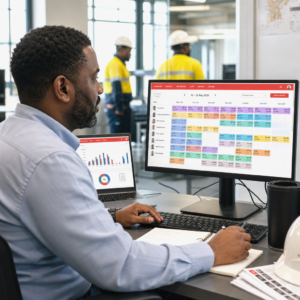
Many service organisations still manage people, qualifications, shift requirements, attendance and payroll inputs across spreadsheets, WhatsApp groups, paper records and disconnected systems.
That approach creates gaps precisely when managers need certainty.
A contract may require a specific number of people, with defined grades, skills or qualifications, at a particular location. The planner may have one view of the roster. A supervisor may have a different picture of who actually arrived. HR may hold the latest personnel records, while Finance only sees the cost implications after the shift has passed.
By then, the opportunity to act has gone.
Mining leaders will continue to look for systems that bring these operational facts together. The aim is straightforward: give managers a current view of workforce availability, shift coverage, attendance and cost before small problems become expensive ones.
Compliance depends on the quality of daily control
Compliance is often discussed as a policy, an audit or a file of evidence prepared when someone asks for it. In practice, it is shaped by thousands of operational decisions.
- Who was assigned to the shift?
- Did that person meet the requirements of the role or site?
- Was the required headcount achieved?
- Did the planned workforce arrive?
- Can the organisation explain what happened afterwards?
Requirements vary by customer, location, contract and jurisdiction. No workforce platform can remove the responsibility to define and manage those requirements properly. It can, however, make them visible to the people making staffing decisions.
For a mining contractor, cleaning provider, security provider or facilities team operating across multiple sites, the value lies in building relevant business rules into the planning process rather than relying on memory and manual checking.
This is where workforce management becomes part of operational governance. Managers need to know where exceptions exist while there is still time to deal with them.
Headcount alone does not mean a shift is ready
A site can appear fully staffed and still be poorly prepared.
The real question is whether the people assigned have the necessary grade, skills, qualifications and eligibility for the work required. This matters particularly where teams operate across multiple contracts or locations with different staffing conditions.
A simple headcount report does not answer that question.
The better approach is skills-based scheduling: match the shift requirement to the available workforce, then flag exceptions for review. This gives planners and operations managers a more useful starting point than trying to identify gaps after deployment.
It is also a resilience issue. A workforce plan should accommodate absence, leave, turnover and last-minute changes without forcing supervisors to rebuild the schedule from scratch.
Mobile access is changing the speed of response
The people responsible for keeping a shift covered are not always at a desk.
Supervisors, coordinators and managers need timely access to roster and attendance information while dealing with the day’s exceptions. Mobile workforce tools can help close the gap between the planned roster and what is happening in the field, particularly where teams are spread across multiple sites.
The important point is not the app itself. It is the operating model behind it.
When roster information, attendance records and personnel data sit in separate places, a mobile interface simply gives people faster access to incomplete information. When those records are connected, managers can act with greater confidence and employees have a clearer view of their schedules.
Cost control starts before payroll
Payroll errors are visible. The decisions that cause them often happen much earlier in the process.
Overtime, understaffing, over-posting, missed allowances and incorrect hours can all begin with a weak or outdated roster. By the time Finance sees the effect, the site has already carried the cost.
Mining service providers operate in a commercially demanding environment. Contracts have staffing requirements, service levels and wage-to-revenue pressures. Managers need to understand the cost implications of the workforce plan while they can still change it.
That calls for a closer link between operational planning and financial control. Rostering should not be a monthly administrative exercise. It should provide a daily view of the workforce commitments being made across each client site.
The questions worth asking after Electra Mining
Although Electra Mining Africa has ended, the operational questions raised by the event remain relevant:
- Can we see planned staffing, actual attendance and workforce exceptions in one place?
- Do our planners know when a person does not meet the requirements of a role or site?
- How quickly can a supervisor respond when an absence affects a shift?
- Are our workforce costs visible before payroll is processed?
- Can we produce a reliable record of what was planned, what changed and what actually happened?
- Are our current workforce processes strong enough to support new contracts and additional sites?
The event showcased a wide range of technology. The organisations that gain the most value from these solutions will be those that start with the operating problem, rather than adding another disconnected tool.
A more disciplined approach to workforce management
EasyRoster helps service-based organisations plan and manage complex shift work across sites. Its role-based rostering, personnel records, qualification and skills information, attendance capabilities and reporting tools give operations teams a clearer view of workforce deployment.
For mining service providers and adjacent operations, this can support more consistent planning across contracts and locations. Managers can identify staffing exceptions earlier, compare planned and actual attendance, and use workforce information to support operational and commercial decisions.
The objective is practical: fewer surprises, faster action and better control of the workforce commitments made each day.
Electra Mining Africa may have put the future of mining technology on display, but workforce control remains an ongoing operational priority. Equipment, automation and process improvements all depend on people being available, appropriately assigned and properly supported to do the work.
If your organisation needs a clearer view of workforce planning, attendance and operational exceptions across sites, book an EasyRoster demo.